ESEN

Anti-Capitalist Avocados🥑

Using avocados to promote local climate resilience & fighting back against capitalism 💪

Avocados as a symbol of growing inequality around the world 💰

Its ironic that as avocado (Persea americana) prices rise, people in the communities that grow them (generally in the Global South) can no longer afford them. The food they grow at home is too valuable for them to consume themselves — it's too precious for that(!) — and instead, it's shipped thousands of miles to the West (Europe and the United States for example), where we pay a high price in the supermarkets - with the supermarket taking a huge chunk of the money, and so the growers are being short changed.

And due to climate change, driven by the behaviour of people living in the West or the 1%, the reliability of our food crops are decreasing. Unstable weather conditions are beginning to affect their production.

Access to water, when it comes to avocado production, is often the biggest concern. This comes at a time when data centers are springing up all over the place, consuming vast quantities of water and even causing local water access and pollution problems. We are prioritising data centres over access to water for local communities and food production.

We believe that growing avocados on a small scale, at a local level, can contribute to making this a more sustainable way of producing food for our local communities whilst also encouraging people to consider the issues with our global food system.
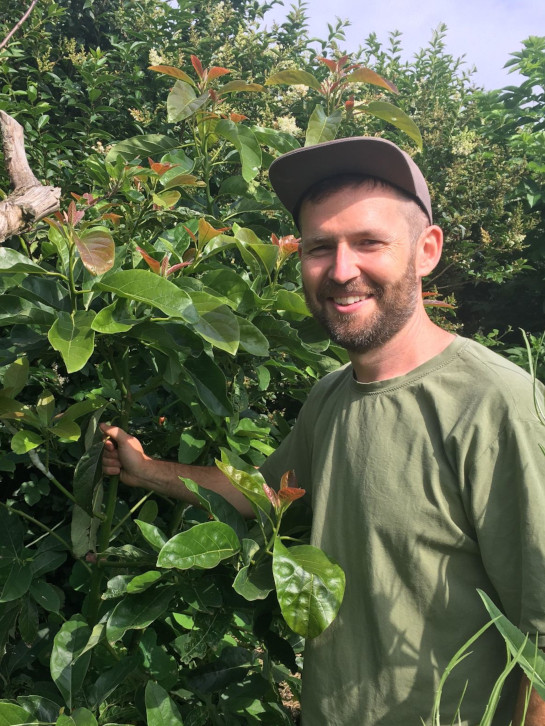
Matt with avocado tree
Me standing next to an Avocado tree (likely a Mexican variety, due to the reddish tinge on the young tips).

Our goals 🎯

Avocado Growers (or Aguacateros in Spanish) is a community-based citizen science project focused on encouraging more people to get involved in growing avocados on a small, community level.

We are responding to the growing threat of climate change, which is leading to food insecurity, and as well to confront arguably the bigger problem of rising inequality.

Avocados have become a symbol of wealth and prosperity; their prices continue to rise, and many people cannot afford them.

What would happen if more people grew avocados locally and then shared them within their community?

This is what we plan to achieve: educating people about sustainable avocado (and fruit) growing and encouraging them to share the fruit they grow.

In summary - we hope to strengthen community ties through the use of avocados.
Aguacate

Problems with commercial avocado farms in Spain

There are numerous well-documented problems with commercial avocado farming in Spain, especially in the south. For example:

- Problems with access to water and depletion of local aquifers
- Problems arising from climate change that create adverse conditions for avocado cultivation (including lack of rainfall - and extreme flooding)
- Loss of natural habitat to make way for even more avocado farms (because they are currently a very profitable crop!)
- Problems related to monoculture crops
- Increased use of pesticides and fertilizers

That's why we are looking for a more decentralized way to cultivate avocados, making use of communal lands, gardens, and any wasted land, in a much more sustainable and environmentally friendly way.

What do we hope to achieve by using avocados?

We have ambitious goals! The first is simple: to encourage more people to grow fruit trees, such as avocados, in their own communities. We believe we can leverage the popularity of avocados to open the eyes of those who deny or refuse to believe in the risks of climate change. People are reluctant to talk about climate change (it is a big, quite intangible threat) but people love to talk about avocados!

Next, we hope to expand and promote this initiative throughout the rest of Spain, at least where it's feasible for people to grow avocados locally [note, you can grow avocados outside of Spain too!]

We would like to teach people more about the range of avocado varieties available for cultivation and the grafting techniques needed to create fruit-bearing avocado trees. There are lots more avocado varieties than just Hass!

Frequently Asked Questions

We strive to avoid causing environmental, ecological, or social harm through our avocado project.

If you have any further questions or concerns about any aspect of our website, please don't hesitate to contact us! We openly encourage healthy debate and feedback.

Here are some questions we have pre-empted...

How can I get involved?

It's easy: contact us to show your interest in joining. We also have a Signal group you might want to join, to exchange messages with other people. Bringing people together (in some form) is a key part of this movement.

I want to learn how to grow avocados. Can you help me?

Yes, this is exactly what this project is about: helping to teach others in Spain (and beyond) how to grow avocados locally and sustainably. We will create, compile, and share resources that will teach you about avocado cultivation.

Avocados require a lot of water: is there a risk that this project could create any kind of environmental problem?

Yes, this is something we are aware of and want to confront directly. We believe that small-scale, local avocado farming (not large plantations!) is the way forward. We also need to be mindful of growing them in water-scarce areas. We will try to assist any home-growers with this, exploring ways to capture and reuse rainwater, and so on.

Avocados are not native to Spain: is there a risk of damaging the local ecosystem by growing them here?

This is very true (they aren't native), and there are documented problems happening in southern Spain right now, thanks to the commercial avocado plantations that were established in the 1960s and 70s to capture the growing market. That's one of the reasons why we believe the way forward is a more decentralized, local, and small-scale farming method. There are many problems related to the local environmental damage caused by commercial avocado plantations in Spain, from excessive water use to the destruction of native habitats to plant avocados.

We have no record of any problems with the spread of diseases or invasive characteristics inherent to avocados; just because something isn't native doesn't mean it's inherently bad (see the potato, for example!). But we remain open to this and will seek to continue to review this - and welcome any other feedback.